In the modern global economy, frozen storage is the unsung hero of the food and pharmaceutical supply chains. It ensures that a family in Riyadh can enjoy a juicy Brazilian steak, a hospital in Jeddah can administer a life-saving vaccine, and a café in Dammam can serve a perfectly chilled dessert. As the Kingdom of Saudi Arabia accelerates toward the goals of Vision 2030, the demand for reliable, high-tech Frozen Storage is not just growing—it is transforming.
From managing extreme summer temperatures to supporting the country’s push for pharmaceutical self-sufficiency, the frozen storage sector is a critical pillar of national infrastructure. This guide explores the sector’s dynamics, the specific challenges of Riyadh, and the national trends driving the market.
Frozen Storage: The Core of the Cold Chain Ecosystem
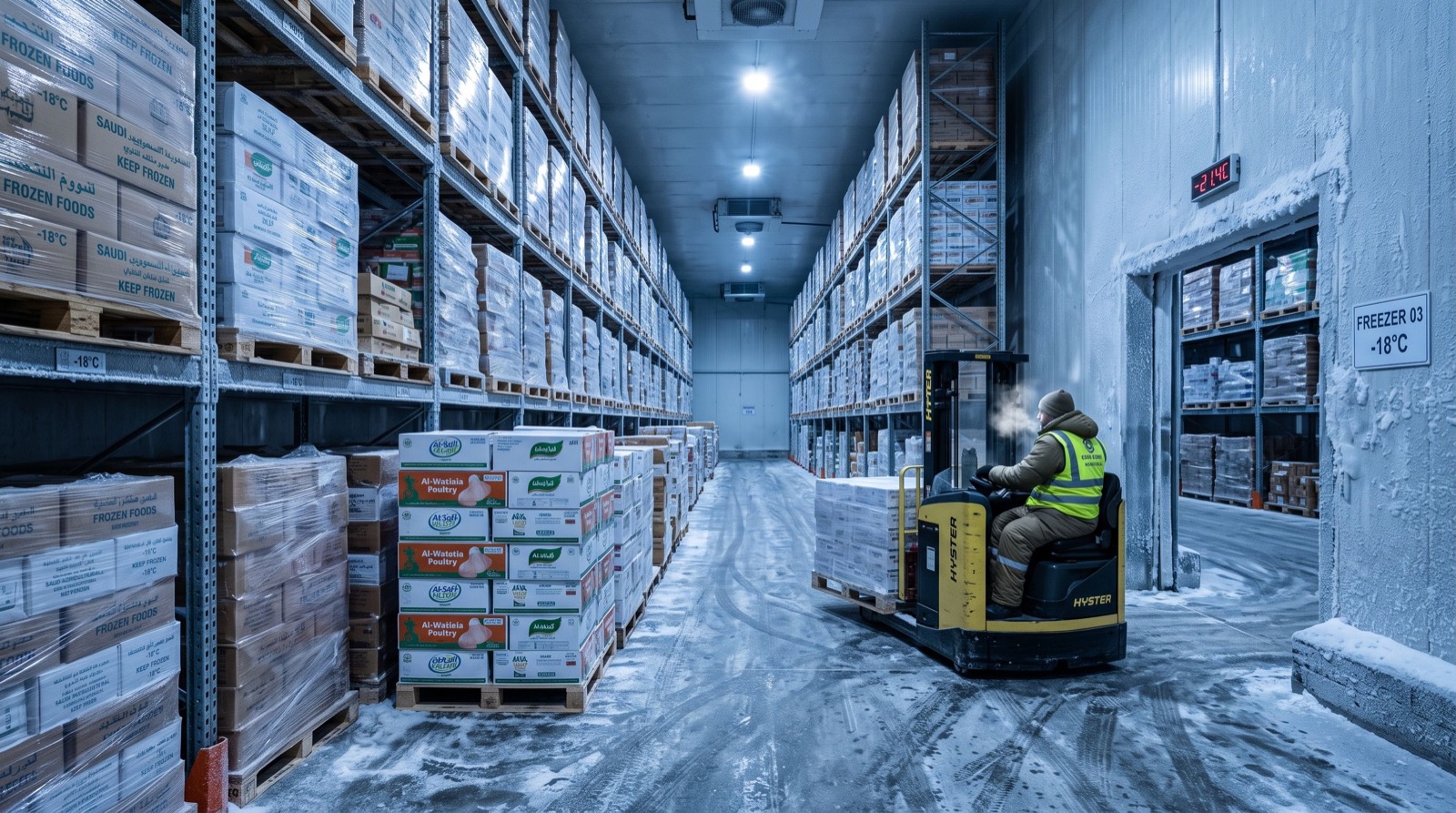
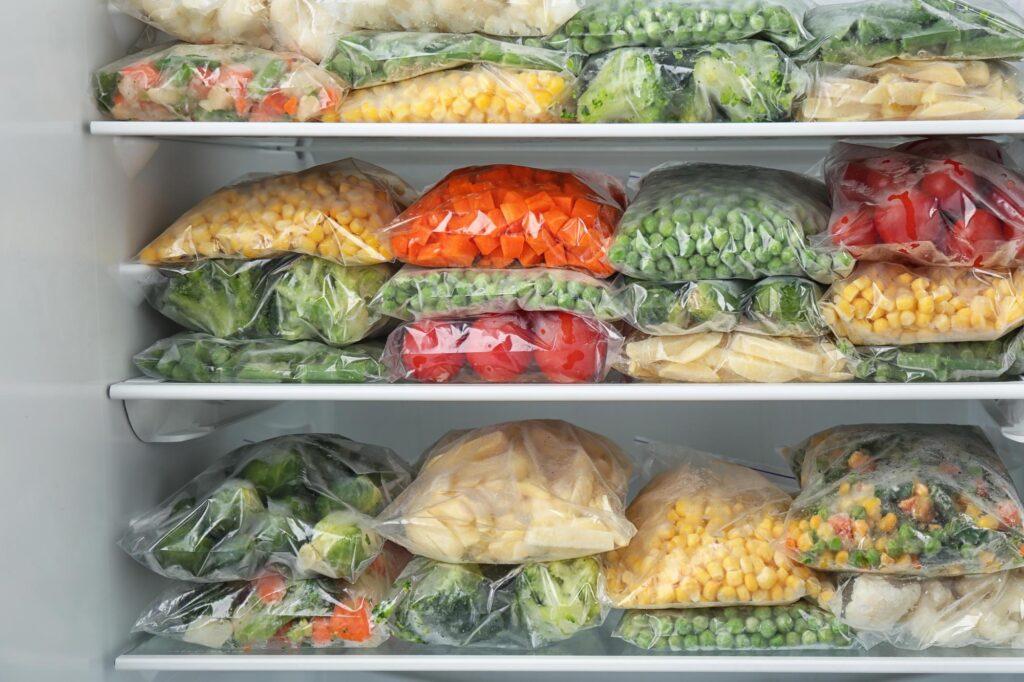
Frozen storage refers to warehouse facilities specifically designed to maintain products at sub-zero temperatures, typically at -18°C (0°F) or lower for general frozen food and -20°C or lower for specialized sectors like ice cream and pharmaceuticals. Unlike chilled storage (+2°C to +8°C), frozen storage halts biological activity, effectively pausing the expiration clock on perishable goods.
The Saudi Arabian cold chain logistics market is a pivotal part of this landscape, estimated at USD 2.26 billion in 2026 and projected to grow to USD 2.76 billion by 2031, at a steady Compound Annual Growth Rate (CAGR) of 4.12% . This growth is firmly rooted in the nation’s strategic economic vision.
Key Components of Modern Frozen Storage:
- Industrial-Grade Refrigeration: Systems capable of maintaining exact temperatures even when external temperatures exceed 45°C.
- High-Performance Insulation: Specialized panels (often 150mm-200mm thick) that prevent thermal exchange and reduce energy costs.
- Real-Time Monitoring (IoT): Sensors that provide 24/7 data on temperature and humidity, linked to central control towers .
- Redundancy Systems: Backup generators and secondary refrigeration units to ensure zero downtime during power fluctuations.
Frozen Storage in Riyadh: The Capital’s Strategic Hub
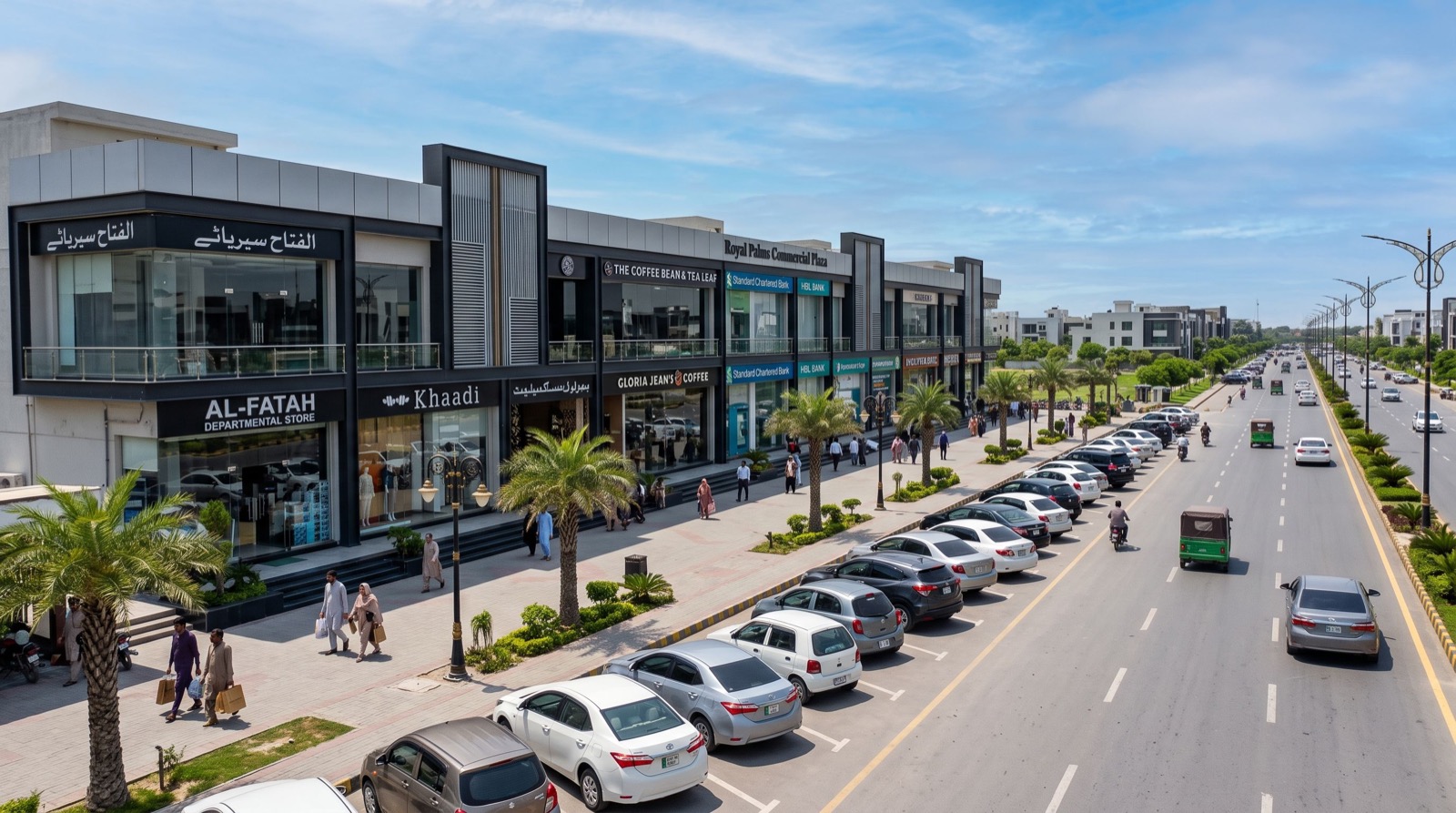
Riyadh is the epicenter of the Kingdom’s cold chain expansion. As the largest market for consumer goods and a central logistics node, Frozen Storage in Riyadh requires facilities that can withstand the capital’s specific challenges while serving its massive population.
Engineering for Extreme Weather
Riyadh experiences some of the harshest summer temperatures on the planet. Standard industrial freezers struggle to maintain efficiency when the mercury rises above 48°C. Consequently, the industrial refrigeration systems market in the region is booming, projected to reach USD 738.24 million by 2030, growing at a 9.62% CAGR . Facilities are investing heavily in energy-efficient compressors and solar-powered backup systems to combat high operational costs .
Meeting Pharmaceutical Standards
Perhaps the most significant development is in the medical sector. AJEX has opened Saudi Arabia’s first GMP-GxP certified logistics depot in Riyadh, a purpose-built 3,000 square meter facility . This represents a leap forward for Frozen Storage in Riyadh because it includes:
- 2°C to 8°C Chambers: For refrigerated biologics, vaccines, and temperature-sensitive drugs.
- Dedicated -20°C Chamber: Specifically designed for frozen products such as advanced cell therapies and biologics.
These facilities are monitored in real-time with alert systems and backup infrastructure, ensuring full compliance with the Saudi Food and Drug Authority (SFDA) .
Capacity and Scale
Riyadh dominates the market for refrigerated warehousing. Major logistics players maintain massive footprints here, with facilities offering thousands of pallet positions. Strategic locations near King Khalid International Airport and the dry port make Riyadh the primary distribution hub for the central and northern regions.
Frozen Storage in Saudi Arabia: A National View
While Riyadh is the engine, the vision for Frozen Storage in Saudi Arabia extends to every corner of the Kingdom. Recent market research highlights a shift toward national integration and specialized capabilities.
Vision 2030 and Infrastructure Expansion
The government’s commitment is tangible, with USD 133 billion earmarked for logistics infrastructure, including 59 logistics centers spanning 100 million square meters . These centers are strategically designed to integrate with the national rail grid, which is lowering long-haul costs by 15% compared to road-only freight .
The Rise of Specialized Zones
The market is moving beyond general food storage. There is a distinct rise in facilities catering to specific industries:
- Pharmaceuticals: The segment is growing at a 5.40% CAGR . Facilities like NAQEL’s warehouses in Jeddah and Abha, and Salehiya’s GDP-certified
- Agriculture & Poultry: Government targets to achieve 80% poultry self-sufficiency by 2025 are driving investment in large-scale freezing capacity for domestic production .
- Retail & E-commerce: The rise of food delivery apps and online grocery shopping is creating demand for freezer storage in urban hubs to facilitate “last-mile” logistics.
Sustainability and Innovation
Energy remains a high operational cost, accounting for 25-35% of expenditure for storage facilities . Consequently, the market is pivoting toward sustainability. The adoption of AI and Machine Learning for energy optimization is cutting refrigeration energy use by 20% . Furthermore, fixed solar cold storage rooms are becoming more common in remote agricultural areas, reducing dependence on the national grid .
Units: Your Trusted Partner for Frozen Storage
In a market defined by precision, reliability, and regulatory rigor, choosing the right logistics partner is critical. Units is the top company for frozen storage solutions across Saudi Arabia. We combine local expertise with world-class infrastructure to ensure your cold chain never breaks.
Why Units is the Industry Leader:
- SFDA and GDP Compliant: Our facilities meet the highest Saudi and international standards for food and pharmaceutical storage, ensuring safety and legal compliance for your high-value goods.
- Nationwide Network: With strategic operations in Riyadh, Jeddah, and Dammam, we offer a seamless cold chain solution that covers the entire Kingdom, reducing transit times and transportation costs.
- Advanced Technology: We utilize IoT-enabled monitoring systems that provide real-time visibility of temperature and humidity. Our clients have 24/7 access to their inventory data via our proprietary digital platform.
- Energy-Efficient Infrastructure: Units is committed to sustainability. Our frozen storage units utilize advanced insulation and high-efficiency refrigeration systems to maintain product integrity while optimizing energy consumption.
- Flexible, Scalable Contracts: We understand that your inventory fluctuates. Units offers tailored, flexible storage solutions that allow you to scale capacity up or down based on seasonal demand or business growth.
Don’t let temperature excursions spoil your goods or damage your reputation. Whether you are a pharmaceutical distributor, an FMCG giant, or a food importer, Units provides the security and precision your frozen inventory deserves.
Visit units.sa today to schedule a consultation or a facility tour.
Conclusion
The frozen storage industry in Saudi Arabia is no longer just about storing food; it is a sophisticated, technology-driven sector essential for health and economic security. With the market expanding rapidly, the demand for specialized, reliable frozen storage in Riyadh and across the Kingdom has never been higher.
The cold chain in Saudi Arabia is evolving:
- Frozen Storage is critical for maintaining the quality and extending the shelf life of food and medical supplies.
- In Riyadh, the capital is leading the charge with state-of-the-art GMP-GxP certified depots for the pharmaceutical industry and massive-scale food distribution centers .
- Across Saudi Arabia, the market is unified by Vision 2030’s infrastructure investments, driving a shift toward energy-efficient, rail-connected, and specialized logistics hubs .
Units stands at the forefront of this transformation, offering SFDA-compliant, technology-driven, and scalable frozen storage solutions. Do not compromise on the safety of your frozen assets. Visit units.sa and discover the future of cold chain logistics.
Frequently Asked Questions (FAQs)
1. What is the ideal temperature for standard frozen food storage?
For most frozen foods (meat, poultry, seafood, and prepared meals), the internationally accepted standard and SFDA requirement is -18°C (0°F) or lower. This temperature halts microbial growth and enzymatic activity, preserving quality for months. Specialized products, like ice cream, require temperatures as low as -25°C to maintain the proper texture .
2. How is the Saudi frozen storage market growing?
The Saudi Arabia Cold Chain Logistics Market, which includes frozen storage, is valued at approximately USD 2.26 billion in 2026 and is projected to grow at a CAGR of 4.12% to reach USD 2.76 billion by 2031 . This growth is driven by food security initiatives (like 80% poultry self-sufficiency) and pharmaceutical sector expansion.
3. What makes frozen storage in Riyadh unique?
Riyadh is the primary hub for logistics and distribution. The city’s infrastructure is rapidly adapting to extreme heat demands through energy-efficient refrigeration. Crucially, Riyadh is also home to specialized facilities like AJEX’s GMP-GxP certified depot, which includes -20°C chambers for frozen cell therapies, a first for Saudi Arabia .
4. Is SFDA certification important for frozen storage?
Yes. The Saudi Food and Drug Authority (SFDA) enforces strict regulations for the storage and transport of chilled and frozen foods . For pharmaceutical products, standards like GMP (Good Manufacturing Practices) and GDP (Good Distribution Practices) are mandatory. Using SFDA/GDP-certified facilities ensures your products remain legally compliant and safe for consumption or medical use .
5. How can I monitor my products in a frozen warehouse?
Modern frozen storage facilities, including those operated by Units, utilize advanced IoT sensors and centralized monitoring systems. These systems provide real-time data on temperature, location, and humidity, often linked directly to a cloud-based dashboard accessible by the client 24/7, ensuring complete supply chain transparency .