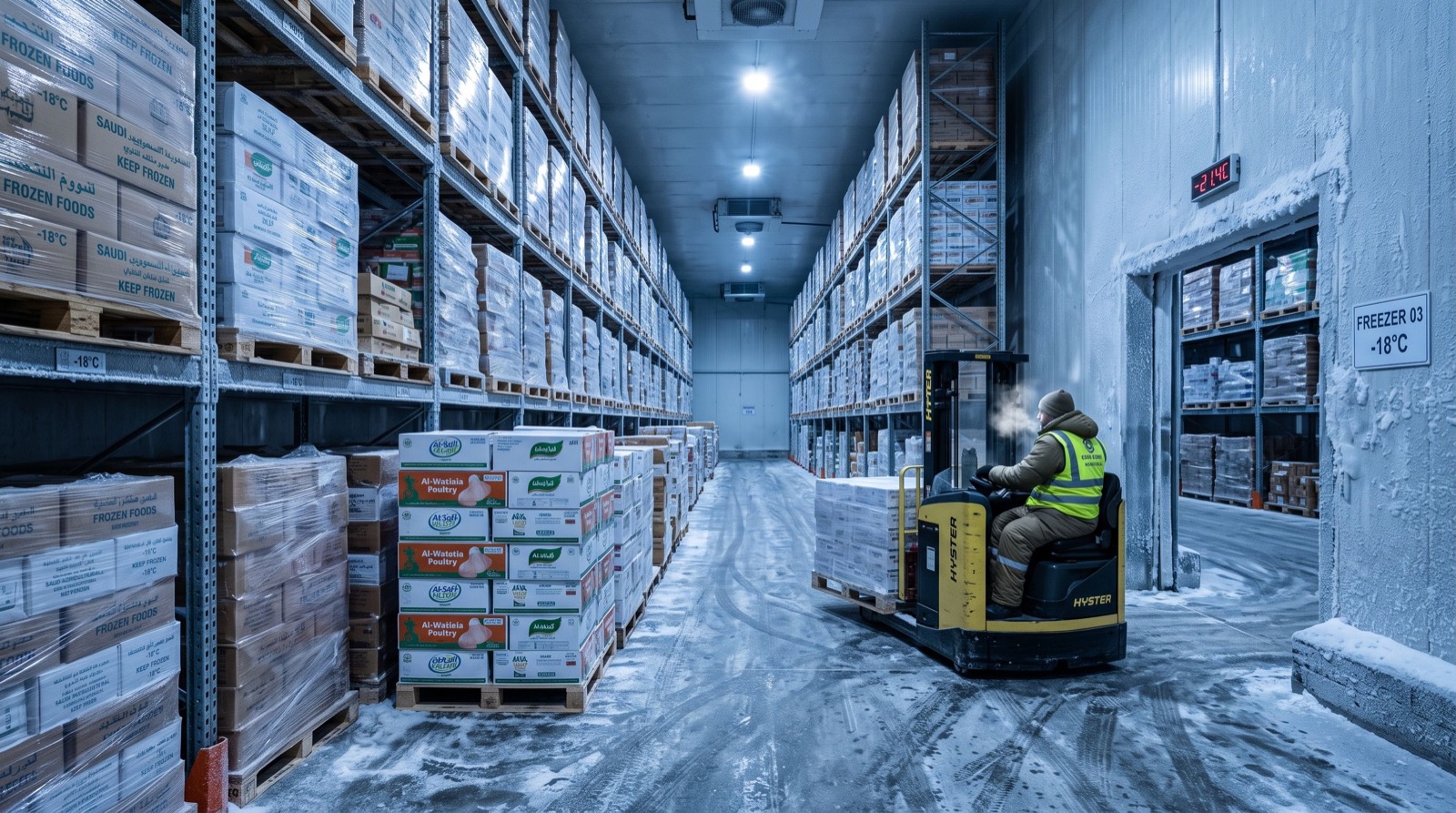
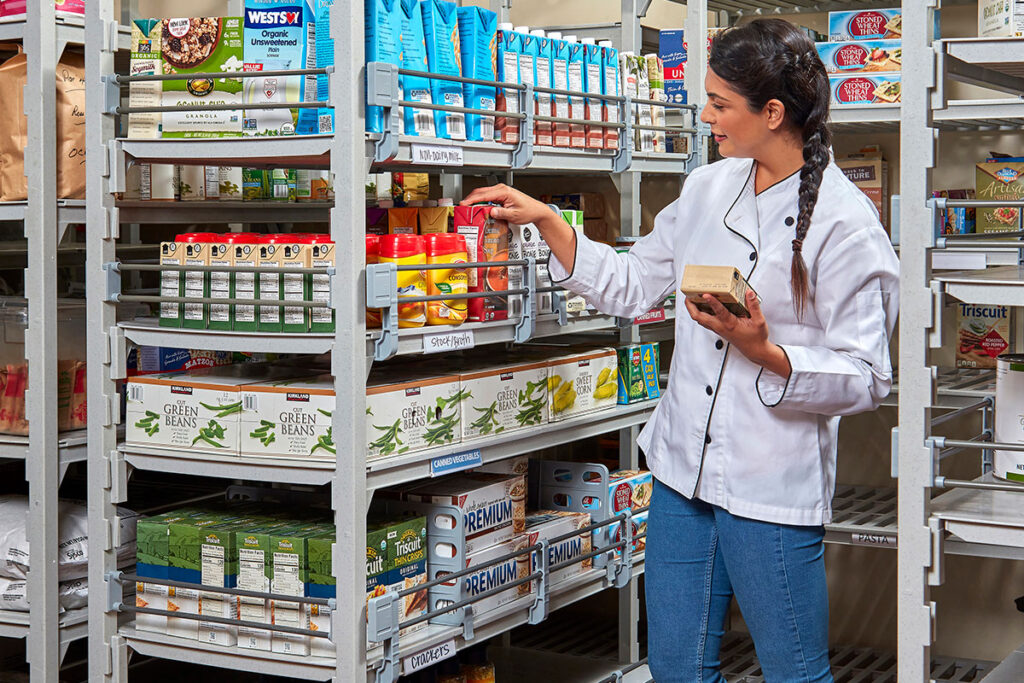
In the modern economy, storage is not merely about finding empty space to pile boxes. Different products have distinct chemical compositions, physical vulnerabilities, and handling requirements that demand specialized storage conditions. Two categories that exemplify this need are cosmetics products and spare parts.
Cosmetics are temperature-sensitive, hygroscopic, and subject to strict regulatory oversight regarding shelf life and safety . Spare parts, ranging from automotive components to industrial machinery parts, require organization, protection from corrosion, and rapid retrieval to minimize equipment downtime . Generic warehousing that treats all inventory the same leads to melted lipsticks, rusted bearings, expired creams, and lost productivity . This guide explores these unique requirements and demonstrates why professional, specialized storage is an investment in product integrity and operational efficiency.
Storage for Cosmetics Products: Preserving Beauty and Brand Value
The global cosmetics industry is a multi-billion-dollar market, and Saudi Arabia represents one of the fastest-growing regions for beauty products. From luxury skincare lines and fragrances to hair care, makeup, and personal care items, cosmetics are big business. However, Storage for Cosmetics Products is fraught with challenges that many warehouse operators fail to appreciate .
Cosmetics are chemically complex formulations that can degrade, separate, melt, freeze, or lose efficacy when exposed to improper temperatures, humidity, light, or contamination . A cream that separates into oil and water is unsellable. A lipstick that melts and resolidifies develops unattractive texture and color changes. A perfume exposed to high temperatures loses its top notes and may develop off odors . For businesses that distribute or retail cosmetics, proper storage is directly linked to brand reputation, customer satisfaction, and regulatory compliance.
Temperature Control: The Critical Factor
The most significant threat to cosmetics is temperature extremes. Most cosmetics are formulated to remain stable between 15°C and 25°C . Temperatures above 30°C can cause emulsions to separate (oil and water components split), waxes to melt and recrystallize unevenly, preservatives to degrade allowing microbial growth, lipsticks to soften and lose shape, and powder products to dry out and become brittle . Temperatures below 5°C can cause products to become grainy or crystallize and packaging to break .
In Saudi Arabia, where summer temperatures regularly exceed 45°C, ambient storage without climate control is completely unsuitable for cosmetics. Professional storage for cosmetics requires air-conditioned or climate-controlled storage, maintaining a stable temperature range typically between 18°C and 25°C .
Humidity Management: Preventing Degradation
Relative humidity (RH) is equally important for cosmetic storage. Cosmetics are hygroscopic, meaning they absorb moisture from the air . High humidity (above 65% RH) can cause powder products to clump and cake, compacts to swell and crack as cardboard absorbs moisture, labels to peel or bubble, and cardboard packaging to weaken . Low humidity (below 30% RH) can cause cream products to dry out and crack, lipsticks to become dry and drag during application, and adhesives on packaging to fail .
The ideal RH range for cosmetic storage is 35% to 55% . Professional cosmetic storage facilities use HVAC systems with humidity control capabilities, along with continuous monitoring via data loggers at regular intervals . Alerts are triggered automatically if conditions deviate outside acceptable ranges, allowing immediate corrective action before product damage occurs .
SFDA Regulatory Compliance
The Saudi Food and Drug Authority (SFDA) regulates cosmetics under the Law of Cosmetics and Personal Care Products . Importers and distributors must maintain records of storage conditions and demonstrate that products were stored properly throughout the supply chain . Professional storage providers serving the cosmetics industry maintain audit-ready documentation, with digital records accessible on demand .
Storage for Spare Parts: Keeping Industry Moving
The industrial and automotive sectors rely on the rapid availability of spare parts to keep machinery moving, vehicles on the road, and production lines running. Storage for Spare Parts is fundamentally different from other types of warehousing . While retail storage prioritizes high turnover and consumer-ready presentation, spare parts storage prioritizes organization, rapid retrieval, corrosion prevention, and traceability . A missing or damaged spare part can idle a million-riyal machine, delay a construction project, or ground a fleet of vehicles . The cost of downtime almost always exceeds the cost of the part itself, making speed and reliability the highest priorities in spare parts logistics .
Organization and Categorization
The first principle of spare parts storage is systematic organization. A typical industrial inventory may include thousands of distinct SKUs—bearings, seals, belts, filters, sensors, pumps, motors, fasteners, hydraulic components, and electrical parts . Effective spare parts storage uses a logical categorization scheme, such as OEM part numbering for automotive parts, or by equipment type or functional system for industrial machinery .
Small Parts and Heavy Parts Management
Many spare parts are small—nuts, bolts, washers, fuses, sensors, and electronic components . Storing small parts efficiently requires bin shelving, drawer cabinets, compartmentalized totes, or automated vertical lift modules (VLMs) . Conversely, some spare parts are large, heavy, or awkwardly shaped—engine blocks, drive shafts, gearboxes, and hydraulic cylinders . These require pallet racking, cantilever racking for long items, or drive-in racking for high-density storage . Heavy parts require appropriate lifting equipment—forklifts, hoists, or overhead cranes .
Corrosion Prevention
Many spare parts are metal and susceptible to rust and corrosion. Saudi Arabia’s coastal regions have high humidity and salt-laden air that accelerate corrosion . Units employs multiple corrosion prevention strategies: climate-controlled storage maintaining 40%–60% RH; storing parts in original manufacturer packaging which often includes vapor corrosion inhibitors (VCIs); and for long-term storage, heat-sealed barrier bags, desiccant packs, or preservation oil coatings on machined surfaces .
Traceability, Fast Retrieval, and Emergency Response
Many spare parts require detailed traceability . Units implements lot control for all spare parts, with each receipt assigned a unique lot number linked to all relevant documentation . For fast retrieval, spare parts storage uses logical layout with fast-moving parts closest to shipping areas . Kitting services pre-assemble all parts needed for specific jobs, saving significant picking time . For businesses that use spare parts regularly but want to minimize capital tied up in inventory, vendor-managed inventory (VMI) arrangements are attractive . And because equipment breakdowns never happen at convenient times, Units offers 24/7 emergency access for authorized clients .
Units: Your Trusted Partner for Cosmetics and Spare Parts Storage
When your business demands storage that is secure, precise, and tailored to your specific products, one company stands above all others in Saudi Arabia: Units. As the Kingdom’s premier provider, Units has earned its reputation as the top company for cosmetics distribution and spare parts logistics across Riyadh, Jeddah, and Dammam .
For Cosmetics Businesses
Units offers climate-controlled ambient storage maintaining 18°C–25°C with 35%–55% RH, continuous temperature and humidity monitoring with automated alerts, expiration date tracking with FIFO rotation, UV-protected LED lighting, HEPA-filtered positive air pressure systems, and SFDA audit-ready documentation . Cosmetic storage zones are segregated from industrial goods, eliminating contamination risks, with flexible contracts from 50 square meters to full warehouse floors and nationwide delivery via temperature-monitored fleet .
For Spare Parts Clients
Units provides high-density pallet racking for large components, modular small-parts storage with bin shelving and drawer cabinets, corrosion prevention through climate control (40%–60% RH) and VCI packaging options, full lot traceability with digital chain-of-custody records, kitting services for common maintenance jobs, vendor-managed inventory (VMI) programs, and 24/7 emergency access for critical breakdowns . Facilities are strategically located near major highways and industrial zones, minimizing transport time when every minute counts .
The Units Platform
Units provides an all‑in‑one digital platform where clients can track inventory in real time, simplify inbound/outbound processes, conduct audits instantly, and generate reports from anywhere . With flexible contracts including month‑to‑month, 6‑month, and 12‑month options, Units accommodates businesses of all sizes with pay‑for‑what‑you‑use models and no hidden fees .
Don’t trust your valuable cosmetics or critical spare parts to generic warehouses. Choose Units—the name that businesses across Saudi Arabia trust for specialized storage excellence. Visit units.sa today to schedule a facility tour, request a customized quote, or speak directly with one of their industry specialists.
Conclusion
Specialized products demand specialized storage:
- Storage for Cosmetics Products requires climate control, humidity management, light protection, and SFDA compliance to maintain product integrity and brand reputation .
- Storage for Spare Parts demands systematic organization, corrosion prevention, traceability, fast retrieval, and emergency access to minimize downtime and keep operations running .
The common denominator is the need for a trusted partner who understands your specific requirements. That partner is Units, offering SFDA-certified facilities, smart monitoring, flexible contracts, and 24/7 security across Riyadh, Jeddah, and Dammam . Visit units.sa today and secure the specialized storage your business deserves.
Frequently Asked Questions (FAQs)
1. What temperature and humidity range does Units maintain for cosmetics storage?
Units maintains climate-controlled ambient storage for cosmetics at 18°C to 25°C with relative humidity between 35% and 55%. These parameters are continuously monitored using digital data loggers, with automated alerts triggered if values deviate outside acceptable ranges. For especially sensitive natural or organic formulations, Units can provide chilled storage at 5°C to 15°C upon request.
2. How does Units prevent corrosion for metal spare parts in Saudi Arabia’s climate?
Units employs climate-controlled storage maintaining 40%–60% RH to prevent condensation; storage in original manufacturer packaging which often includes vapor corrosion inhibitors; dedicated low-humidity zones for particularly sensitive parts; and for long-term storage, options including heat-sealed barrier bags, desiccant packs, or preservation oil coatings. Their coastal facilities in Jeddah and Dammam have enhanced dehumidification systems to counteract salt‑laden air.
3. Does Units provide reverse logistics for expired or damaged cosmetics?
Yes. Units offers reverse logistics services for cosmetics that are expired, damaged, or returned by customers. They can segregate products in designated quarantine areas, document quantities and batch numbers for regulatory reporting, coordinate with licensed waste disposal companies for compliant destruction, and provide certificates of destruction as proof, protecting your brand from liability associated with improper disposal of expired cosmetics.
4. Can Units manage my spare parts inventory under a vendor-managed inventory (VMI) model?
Absolutely. Units supports VMI arrangements where they hold your spare parts inventory, and you pay only when parts are consumed. Their warehouse management system tracks all usage, generates automatic replenishment triggers when stock reaches minimum thresholds, and provides detailed consumption reports for billing and forecasting, reducing your inventory carrying costs while ensuring parts are always available.
5. What is the process for emergency after‑hours spare parts retrieval?
Units offers 24/7 emergency access for clients with critical spare parts needs. Authorized personnel call a dedicated emergency hotline, and their on‑call warehouse team meets them at the facility within 30 minutes (Riyadh, Jeddah, and Dammam locations). Valid identification and authorization are required, with emergency retrieval fees clearly outlined in your service agreement. For clients requiring urgent delivery, Units can coordinate courier pickup or direct delivery to your job site at any hour.