Cold Storage in Riyadh: The 2026 Guide to Feeding a Capital City
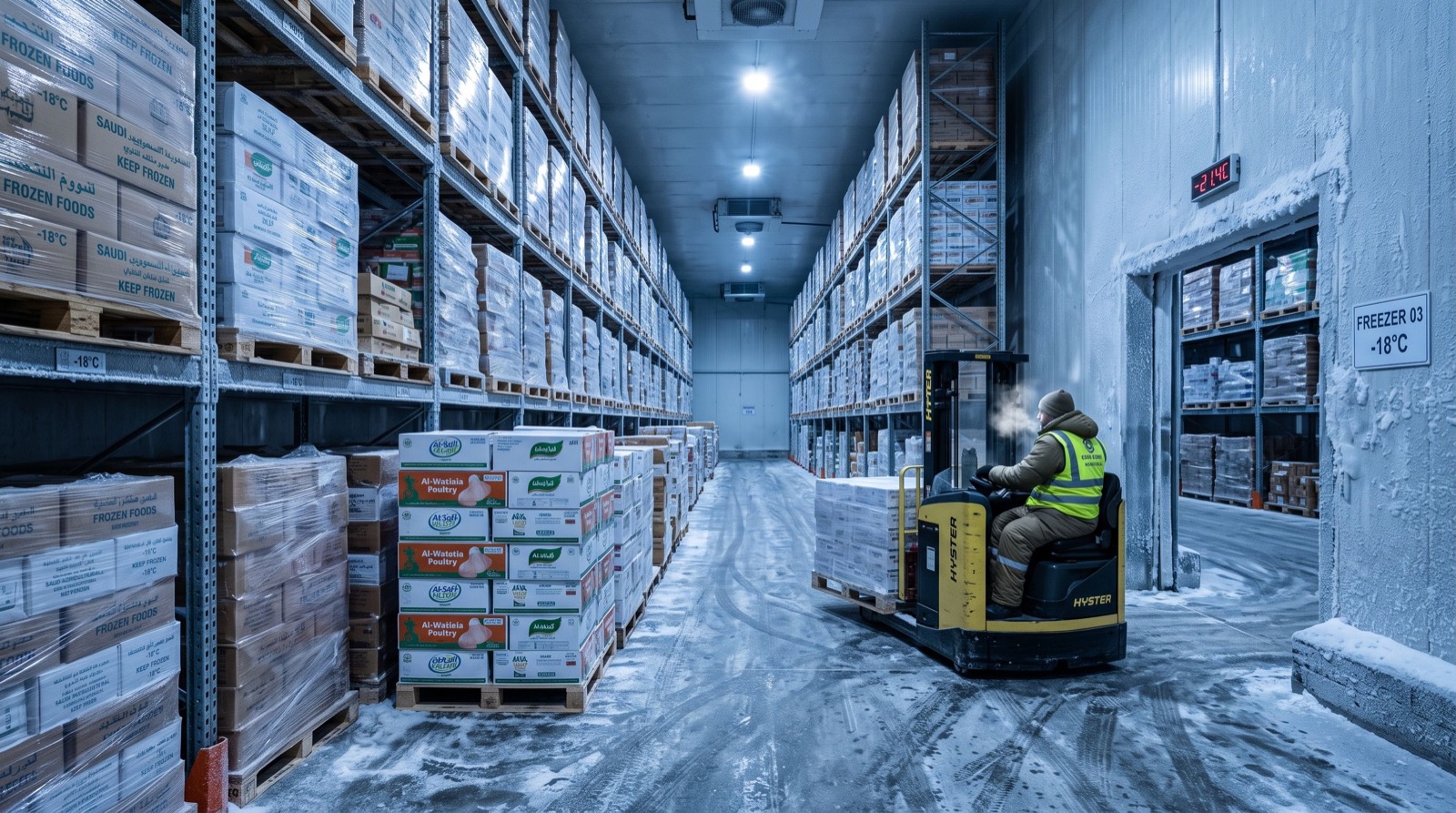
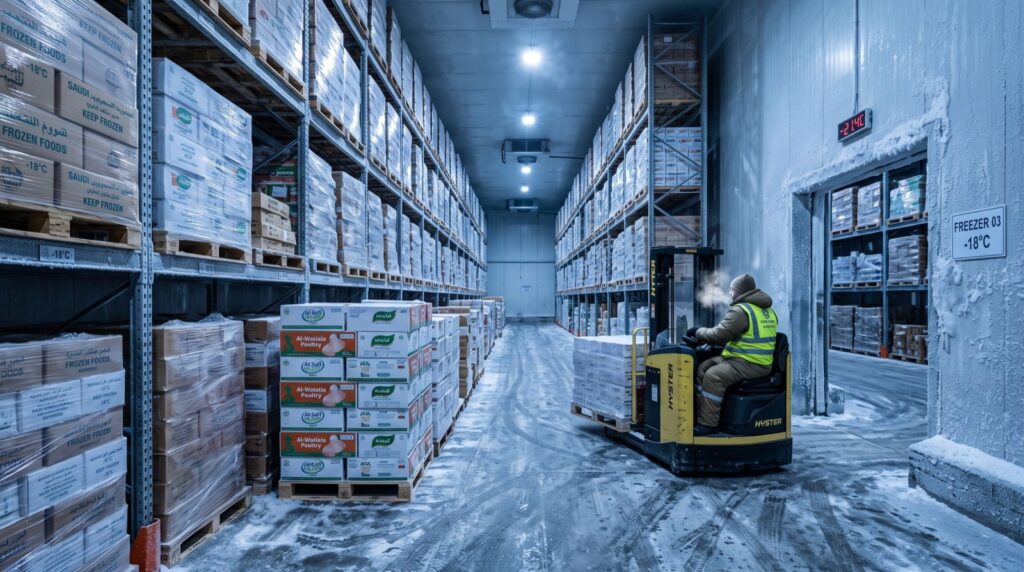
Riyadh never stops growing. As the Kingdom’s capital and largest consumer market, the city swallows enormous volumes of fresh and frozen food every single day. Behind that appetite sits an invisible network of temperature-controlled warehouses. Reliable cold storage in Riyadh keeps supermarkets stocked, restaurants supplied, and hospitals equipped, all while the desert sun bears down outside.
Unlike the coastal cities, Riyadh is landlocked, so almost everything arrives by road. That geography makes warehousing strategy even more important. This 2026 guide explains how cold storage supports the capital, how to pick the right facility, and where operators find hidden efficiency.
Why Cold Storage in Riyadh Drives the Whole Supply Chain
Riyadh acts as the central distribution hub for a vast inland region. Goods trucked in from Jeddah’s port, Dammam’s Gulf terminals, and local farms all pass through capital-area warehouses before reaching shelves. A break anywhere in that chain shows up fast in a city this size.
Vision 2030 puts food security at the centre of national policy, and modern cold storage is a pillar of that goal. By buffering stock, warehouses smooth out seasonal swings and shield consumers from supply shocks. That role only grows as the capital’s population climbs.
How does landlocked Riyadh keep frozen food fresh?
The answer is an unbroken cold chain from origin to shelf. Refrigerated trucks carry product inland, and cold stores receive it straight into temperature-matched chambers. Because the road journey is long, staging goods in Frozen Storage in Saudi Arabia hubs lets distributors hold national inventory and release it to Riyadh on demand, cutting the distance product travels warm.
Chilled Versus Frozen: Getting the Zone Right
Every product has a comfort zone. Push it too cold and texture suffers; leave it too warm and it spoils. Chilled storage suits fresh produce, dairy, and prepared meals, while frozen storage preserves meat, seafood, and long-life stock. Quality Chilled Storage in Riyadh holds delicate fresh items at their peak without the cell damage that freezing causes.
The comparison table below maps common capital-market products to their ideal handling.
| Category | Storage mode | Temperature | Shelf-life impact |
|---|---|---|---|
| Fresh produce | Chilled | 2–8°C | Days to weeks |
| Dairy | Chilled | 0–5°C | Weeks |
| Frozen meat | Frozen | -18°C | Months |
| Ice cream | Deep frozen | -25°C | Months |
How to Choose a Cold Storage Facility in Riyadh
The capital offers many warehouses, but standards vary widely. Partner with reputable service experts who can prove their reliability rather than simply promise it. Score each option on the points below.
- Power resilience: backup generators with rapid switch-over to prevent thawing.
- Live monitoring: sensors and alerts with exportable reports for audits.
- Location: proximity to ring roads for fast last-mile delivery across the city.
- Compliance: HACCP-aligned handling and Saudi regulatory alignment.
- Scalability: flexible pallet-based space that flexes with demand.
Then run a simple due-diligence sequence before you sign.
- Visit the site and inspect dock seals and door discipline.
- Request recent temperature logs from an active chamber.
- Confirm generator switch-over time and fuel reserves.
- Review cleaning and pest-control schedules in writing.
- Trial the reporting portal before committing.
Is it cheaper to own or outsource cold storage?
For most businesses, outsourcing wins. Building and running a freezer facility means heavy spending on compressors, maintenance, insurance, and round-the-clock power. A shared provider spreads those costs across many clients, converting capital expense into a predictable per-pallet fee that scales with your volume.
Energy, Sustainability, and the Desert Climate
Riyadh’s heat makes refrigeration energy-hungry, so efficiency is both an environmental and financial priority. The International Institute of Refrigeration notes that the cold chain accounts for a significant share of global energy use, a point it underlines across its technical resources. Facilities that invest in thick insulation, high-speed doors, and modern compressors cut consumption without risking product.
One original tip pays dividends in the capital’s climate: schedule the heaviest inbound and outbound movements for cooler night hours where operations allow. Less ambient heat enters the chambers, so the refrigeration plant works less hard and runs cheaper.
The Road Network That Feeds the Capital
Because Riyadh sits far from any coast, road logistics define its cold chain. Refrigerated trucks haul product across hundreds of kilometres of desert highway, so the warehouse that receives them must slot cargo into matched chambers without delay. Every minute a pallet waits on a hot loading dock erodes the shelf life earned upstream.
Location inside the city carries weight too. A cold store near the ring roads reaches supermarkets, restaurants, and clinics across the capital quickly, which supports the same-day and next-day delivery that buyers now expect. Distance from the customer translates directly into fuel cost and risk.
Coordination closes the loop. When inbound trucking, storage, and last-mile dispatch share one plan, product spends the least possible time outside a controlled environment. That joined-up approach is what separates a warehouse that merely holds stock from one that actively protects it.
How can businesses cut cold storage costs in Riyadh?
Focus on the biggest lever first, which is energy. Insulate thoroughly, fit high-speed doors, and slot fast movers near the dispatch bay to shorten handling. Flexible pallet-based pricing then ensures you pay only for the space you use, so quiet seasons never drain your budget.
Preparing Your Cold Chain for Future Demand
Riyadh’s population and appetite will keep climbing, so plan capacity with headroom rather than for today alone. A partner that offers scalable space and value-added fulfilment lets your business grow without the disruption of switching warehouses mid-year.
Frequently Asked Questions
What temperature is best for frozen storage in Riyadh?
Keep general frozen food at -18°C or colder, and reserve -25°C for ice cream and sensitive seafood. Because the capital is inland, a stable chamber temperature matters even more given the long road journeys goods make.
Can one warehouse handle both chilled and frozen goods?
Yes. Multi-temperature facilities operate separate insulated zones under one roof, which lets you store chilled and frozen product with a single provider and unified reporting.
How does cold storage support food security in Saudi Arabia?
By buffering national inventory, cold stores smooth seasonal supply swings and protect against shortages. That buffering role sits at the heart of Vision 2030’s food-security goals.
What should I check before signing a storage contract?
Confirm backup power, live temperature monitoring, food-safety compliance, and flexible pallet-based pricing. A site visit and a look at real temperature logs tell you more than any brochure.
Conclusion
Dependable cold storage in Riyadh keeps the Kingdom’s capital fed, from the fresh produce aisle to the frozen food cabinet, despite an unforgiving inland climate. Match each product to the right chilled or frozen zone, insist on power resilience and live monitoring, and choose a partner that scales with your growth. Plan it this way in 2026 and your cold chain strengthens both your business and the wider supply chain. Ready to secure reliable capacity? Contact a specialist team today and lock in space before the next demand surge.